In short
- Geologists attribute the shapes to natural volcanic erosion.
- Explorer Daniel Ruzo believed an ancient civilization carved them.
- The most famous formation is the 20-meter Monument to Humanity.
In this article
Sitting at 4,000 meters above sea level, Marcahuasi holds dozens of enigmatic granite structures. Visitors often debate how these massive shapes formed. Did severe weather or ancient sculptors create them?
Are the Marcahuasi rock formations natural?
Yes, the scientific consensus is that they are natural volcanic formations.
Over the last 10,000 years, wind, rain, and ice eroded the granite plateau. This natural process created the unique shapes visible today. Humans tend to see familiar patterns in random shapes.
Who is Daniel Ruzo?
Daniel Ruzo was an explorer who popularized Marcahuasi with mystical theories.
He believed an advanced, ancient civilization carved the rocks. Ruzo argued they were intentional monuments rather than geological accidents. He lived on the plateau to study the shadows and shapes.
What is the Monument to Humanity?
The Monument to Humanity, or Peca Gasha, is a 20-meter-tall granite structure.
It is the most famous formation at Marcahuasi. Depending on the angle and lighting, the rock resembles multiple human profiles. The shadows at sunrise and sunset make the faces easier to spot.
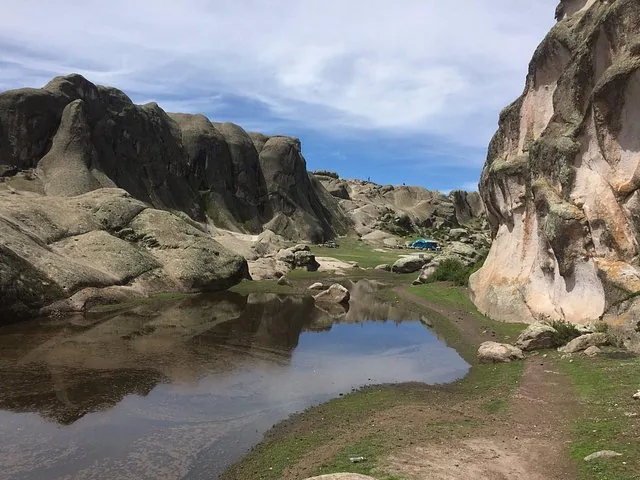
What animal shapes can you see at Marcahuasi?
Visitors frequently identify rocks shaped like toads, turtles, condors, and seals.
These are clustered in an area called the Valley of the Seals. You can get a map at the tourist office to locate specific shapes. Natural erosion left many rocks looking remarkably like local wildlife.
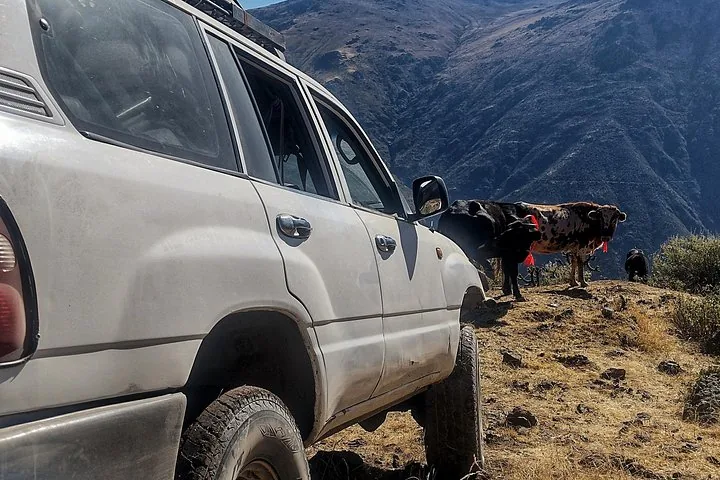
Did humans build anything at Marcahuasi?
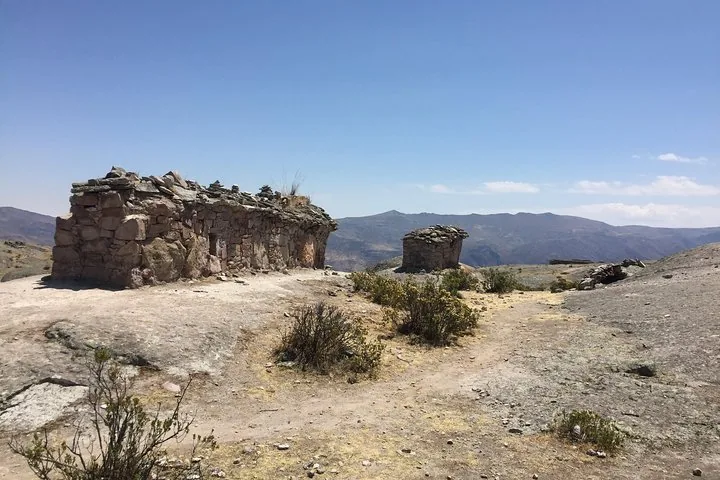
Yes, ancient Andean civilizations built funerary tombs on the plateau.
While the giant rock sculptures are natural, the plateau contains pre-Columbian chullpas. These are stone tombs left behind by early cultures. You must not touch or climb on these historical remains.
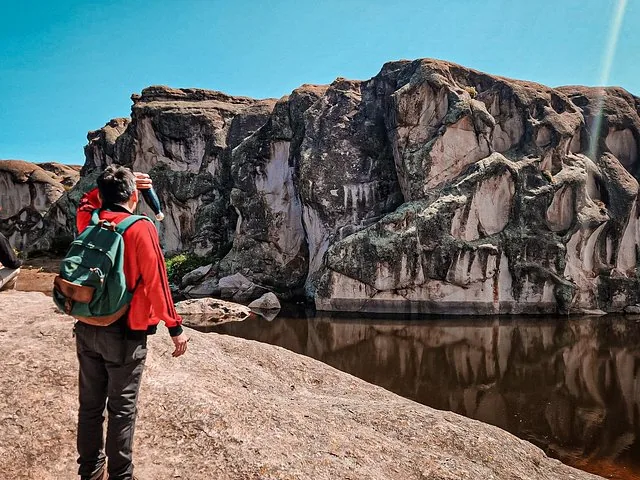
How do I visit the rock formations?
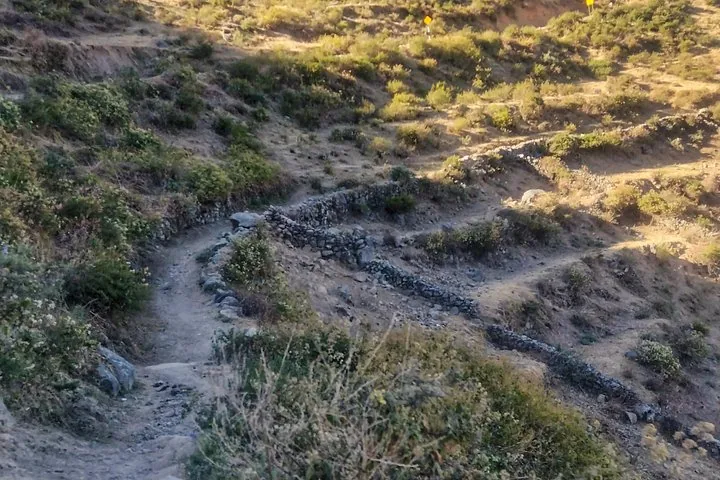
You start your trip in San Pedro de Casta and hike up to the plateau.
The town sits at 3,180 meters elevation. The hike takes between 2 and 4 hours. You must pay an entrance fee of 20 Peruvian Soles (PEN) for foreigners or 10 PEN for Peruvian adults.
Questions travellers ask
Do I need a guide to see the formations?
No, you can hike independently and use a map from the San Pedro de Casta tourist office. However, guided tours from Lima (from $150 USD) offer transport and help locating the shapes. Tour prices change.
What is the best time to see the rock shapes?
The best time is during the dry season from May to October. Clear skies provide better lighting and shadows to view the Monument to Humanity.
Can I touch the formations?
You can walk around the natural granite rocks. However, you are not allowed to climb on restricted monuments or the ancient chullpa tombs.